
Advanced Dental Associates offers custom porcelain veneers in San Antonio, TX, to correct structural and cosmetic defects. Dental veneers are thin, resilient shells of dental ceramic permanently bonded to the forward-facing surface of your teeth. Our practice uses premium materials, including Lithium Disilicate (E-max) and high-strength Zirconia, to resolve enamel stains, micro-fractures, structural wear, and minor tooth misalignment.
Quick Overview of Veneer Treatments:
-
Material Selection: Options include ultra-thin E-max ceramics for natural light translucency or Zirconia for heavy bite resistance.
-
Preservation Styles: Standard recontouring veneers or minimal-preparation (“No-Prep”) options that preserve your underlying enamel matrix.
-
Modern Integration: Digital intraoral scanners replace physical tray putties to capture highly precise tooth dimensions.
-
Longevity & Care: Engineered to resist surface staining and structural fractures for 10 to 15+ years with standard oral hygiene.
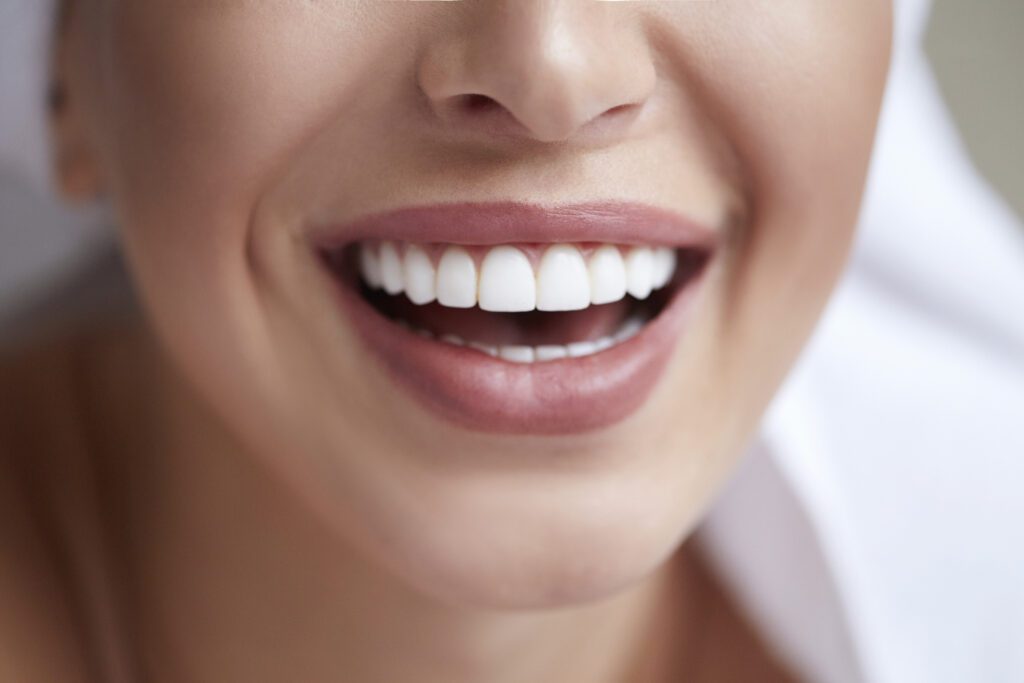
Veneer Material Types & Clinical Indications
The choice of veneer material depends heavily on your existing tooth color, bite alignment, and history of bruxism (teeth grinding). During your evaluation, our cosmetic dentists select from several distinct ceramic configurations to match your anatomical requirements.
Lithium Disilicate (E-max)
E-max is a high-grade glass ceramic recognized for its exceptional optical properties. It matches the natural translucency and light-scattering properties of human enamel more closely than any other material. With a high flexural strength, it allows for ultra-thin fabrications (0.3mm to 0.5mm), reducing the amount of natural enamel that must be trimmed prior to placement. It is primarily indicated for front teeth restorations.
High-Strength Zirconia
Zirconia (zirconium dioxide) is a biocompatible crystalline ceramic that offers the highest fracture toughness available in restorative dentistry. It is virtually impervious to structural chipping or cracking under high mechanical loads. High-translucency Zirconia is recommended for patients with heavy bites, deep wear patterns, or localized bruxism, as well as for masking dark, severe intrinsic tetracycline discoloration.
Composite Resin Veneers
As an alternative to laboratory-fabricated ceramics, composite veneers utilize a blend of plastic resins and translucent glass fillers. While more economical and completed in a single day, composite resin lacks the structural lifespan of porcelain, is susceptible to surface staining over time, and requires routine polishing.
Material Comparison Matrix
We review the objective attributes of each material to determine which fits your clinical situation:
| Veneer Material Type | Primary Indication | Average Thickness | Expected Lifespan | Stain Resistance |
| Lithium Disilicate (E-max) | Front teeth, severe stains | 0.3mm – 0.5mm | 10–15+ Years | High |
| High-Strength Zirconia | Posterior teeth, heavy bruxism | 0.5mm – 0.8mm | 15+ Years | High |
| No-Prep Minimal Ceramic | Minor crowding, closing gaps | 0.1mm – 0.2mm | 10–12 Years | High |
| Composite Resin | Local micro-chips, single-day fix | 0.7mm – 1.0mm | 3–7 Years | Moderate |
No-Prep vs. Traditional Porcelain Veneers
Traditional porcelain veneers require a permanent reduction of your outer enamel layer to create a flush bonding surface. Because enamel does not grow back, this procedure is irreversible.
Minimal-preparation or “No-Prep” veneers are an ultra-thin alternative. Measuring roughly the thickness of a contact lens (0.1mm to 0.2mm), they can often be bonded directly over existing teeth without the use of dental drills or local anesthesia.
However, no-prep alternatives are not clinically appropriate for every patient. Because they add material directly on top of the tooth structure without removal, they can make severely rotated, crowded, or naturally large teeth look abnormally prominent. They are highly effective for closing small gaps (diastemas), widening narrow teeth, or masking minor surface pitting.
Frequently Asked Questions
Q: Do porcelain veneers ruin your natural teeth?
A: No. When executed by an experienced cosmetic dentist, veneers do not damage your natural tooth structure. The micro-shaving process is limited strictly to the inert outer enamel layer. Once bonded, the porcelain shell acts as a rigid barrier, shielding the underlying tooth from bacterial invasion, structural decay, and physical wear.
Q: How do you care for porcelain veneers over time?
A: Veneers require the same maintenance as natural teeth. Brush twice daily with a non-abrasive fluoride toothpaste, floss thoroughly around the restoration margins, and maintain regular professional cleanings every six months. While porcelain is highly durable, you should avoid using your teeth as tools to open packaging or biting down directly on hard objects like ice cubes. If you chew or grind your teeth at night, wearing a custom night guard is mandatory to protect the ceramics from fracture forces.
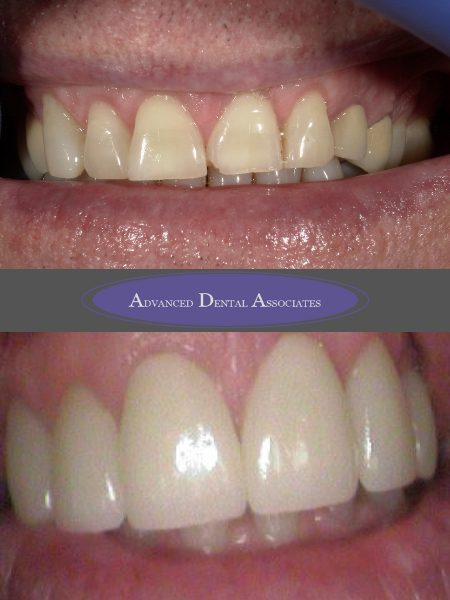
Crown Lengthening & Porcelain Veneers