
Dental implants are a reliable option to replace missing teeth. They work like small screws with a threaded base and a head. The implant is also known as a metal implant post that is surgically implanted into the jawbone. Most implants consist of titanium, a strong and durable metal. For those who want a non-metal option, ceramic implants are also available.
Titanium implants are popular because they are strong and long-lasting. However, some patients worry about the metal’s dark color showing through their gums, especially in the front of the mouth. Ceramic implants are a great alternative for those with this concern or a metal sensitivity.
Once the implant is placed in your jaw, it bonds with the bone as you heal. The process of implant placement involves inserting the implant body into the jawbone, where it integrates with the bone for stability. As the implant heals, bone grows around the implant, creating a stable base for the new artificial tooth. Dental implants serve as a foundation for artificial teeth, which are designed to look and function like real teeth.
This creates a solid base to hold a dental crown, dental bridge, or dentures. These tooth replacements can be either fixed or removable and are attached to the implant for stability. False teeth, also known as prosthetic teeth, can be supported by dental implants to restore both function and appearance. Implants give you a stable, long-term way to restore your smile and chewing ability.
We specialize in dental implants. Our gentle approach ensures your treatment is as comfortable as possible.
We also check your healing ability before starting the process to make sure it’s the right choice for you.
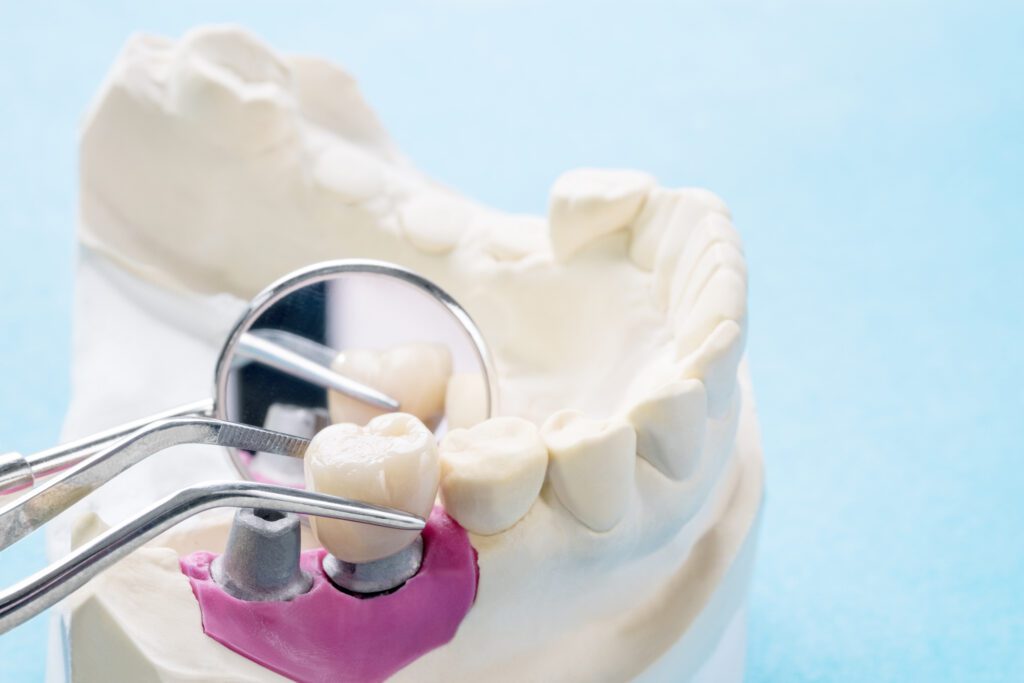
Types of Dental Implants
When it comes to replacing missing teeth, dental implants offer several options to fit your unique needs. The main types of dental implants include endosteal implants, subperiosteal implants, and zygomatic implants—each designed for specific situations and jawbone conditions.
Endosteal implants are the most widely used type in implant dentistry. These implants are surgically inserted directly into the jawbone, acting as an artificial tooth root to support a new dental crown, bridge, or denture. Because they are anchored in the bone, endosteal implants provide a stable and long-lasting solution for most patients looking to replace missing teeth.
For patients who do not have enough healthy bone to support traditional implants, subperiosteal implants may be recommended. Instead of being placed in the bone, these implants rest on or just above the jawbone but under the gum tissue. Subperiosteal implants are a great alternative for those who want to avoid bone grafting procedures and still achieve a secure tooth replacement.
In cases of severe bone loss, especially in the upper jaw, zygomatic implants offer a specialized solution. These implants are longer than standard implants and are anchored in the cheekbone (zygoma) rather than the jawbone. Zygomatic implants are ideal for patients who have experienced significant bone loss and are not candidates for conventional implants, providing a way to restore function and appearance without extensive bone augmentation.
Regardless of your situation, there is a dental implant option available to help you regain a healthy and confident smile.
Who Is a Good Candidate for Dental Implants with Missing Teeth?
Missing teeth can affect how your mouth works, your smile, and your confidence. Gaps left by missing teeth may cause nearby teeth to shift out of place. A missing tooth can also lead to the movement of adjacent teeth and negatively impact the health of surrounding teeth. At Advanced Dental Associates, we offer dental implants as a durable, natural-looking solution.
-
Dental implants are an excellent solution for replacing one missing tooth or multiple missing teeth.
Most patients can get dental implants, but several factors help decide if they’re right for you. Healthy tissues, including healthy gums and bone, are essential for successful implant placement.
Your dental provider will also review your medical history, including any health conditions, to determine your suitability for dental implants. At the end of the evaluation, your dental provider will develop a personalized treatment plan based on your oral health and needs.
When Are Dental Implants a Good Choice?
-
Replacing a Single Tooth: If you’ve lost one tooth, a dental implant is a great option. Dental implants can also be used to replace single teeth with individual crowns, providing a natural look and function. Unlike bridges, implants don’t rely on neighboring teeth for support. They also prevent bone loss in the jaw.
-
Replacing Several Teeth: If you’re missing multiple teeth, implants can support bridges or dentures securely. An implant-supported bridge can be used to replace several missing teeth, often requiring fewer implants than placing individual implants for each tooth. With options like the All-on-4 system, we can replace a full set of teeth using just four implants.
-
Avoiding Dentures: While today’s dentures are more comfortable, they can still feel bulky or slip out of place. Implants stay secure and work like your natural teeth, eliminating those problems. For some patients, a removable prosthesis supported by implants may be an option for added stability and convenience.
Factors That Affect Your Eligibility for Dental Implant Surgery
-
Good General Health: Getting dental implants involves minor surgery. Being in good health helps ensure you heal properly.
-
Healthy Gums: Healthy gums are important for implant success. If you have gum disease, we’ll treat it before placing implants.
-
Fully Grown Jawbone: Implants are best for adults whose jaws have stopped growing. For younger patients, we recommend waiting until the jaw is fully developed.
-
Strong Jawbone: You need a dense jawbone to support implants. Having enough bone at the implant site is essential for successful dental implant placement. If your jawbone is thin or soft, you may need a bone graft to prepare the area. Bone grafting procedures can stimulate bone growth to prepare the implant site for implantation.
Dental implants are a long-term solution to missing teeth that look and feel natural. If you think they might be right for you, we’re here to help guide you through the process.
When Dental Implants Might Not Be the Best Choice
Certain risk factors can increase the likelihood of implant failure or complications during the surgical procedure, including the potential for nerve injury.
Some health issues and habits can make dental implants less suitable. These include:
-
Weak immune system;
-
Severe gum disease;
-
Uncontrolled diabetes;
-
Smoking or heavy drinking;
-
Bleeding disorders, like hemophilia, may increase the risk of nerve injury or other complications during the surgical procedure;
-
Grinding or clenching your teeth (bruxism);
-
Blood-thinning medications;
-
Recent radiation treatment to the head or neck.
Pregnancy is also a temporary reason to delay dental implant surgery.
Having any of these conditions doesn’t always mean you can’t get implants. In many cases, we can work with you to address these risk factors or find a way to prepare you for the surgical procedure and reduce the risk of implant failure.
Taking Care of Your Dental Implants
To keep your dental implants in great shape, follow good oral hygiene habits:
-
Brush twice a day and floss daily.
-
Schedule regular dental visits for checkups and cleanings.
-
Avoid chewing on hard items like ice or pen caps, as they can damage your crown or implant.
With proper care, dental implants can last for many years and feel just like your natural teeth.
Ready to Transform Your Smile?
Dental implants can give you back your confidence and a full smile. Call Advanced Dental Associates in San Antonio at (726) 222-3359 or schedule an online appointment to find out how implants can make a difference for you!