
Despite your best efforts to keep your mouth healthy, sometimes issues happen. Certain types of oral health issues can result in tooth infections. Once an infection develops, it does not go away on its own.
Treatment is essential for eliminating the infection, restoring oral health, and preserving the tooth. At Advanced Dental Associates, we can do this with a root canal in our San Antonio, TX Office. We provide root canal therapy and general dental care treatments to the public in San Antonio.
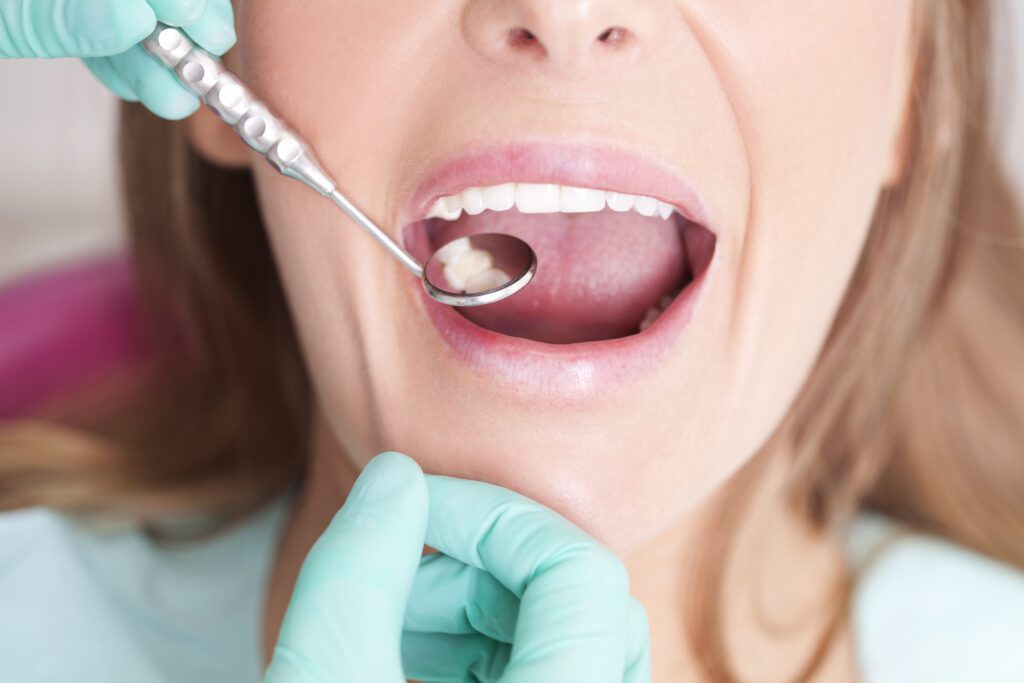
What is a root canal?
A root canal is a highly routine restorative dental treatment designed to save a severely decayed, damaged, or infected tooth from extraction. While many people associate the term with pain, the procedure actually eliminates the root cause of chronic toothaches.
Inside the outer layers of your tooth (the enamel and dentin) lies a hollow center containing the pulp. This pulp consists of sensitive living tissues, blood vessels, and nerves that help the tooth grow during development. Once a tooth is fully mature, it can survive perfectly fine without this pulp because it receives continuous nourishment from the surrounding gum tissues. A root canal involves removing this infected or dead pulp, sanitizing the internal canals, and sealing the chamber to prevent future bacterial invasions.
When do you need Root Canal Treatment?
You need root canal therapy when oral bacteria break through your protective enamel layer and directly infect the internal pulp chamber. This typically happens due to deep cavities, repeated dental procedures on the same tooth, severe cracks, or physical trauma to the jaw.
Leaving an infected pulp untreated allows bacteria to multiply, eventually causing the infection to travel down the root tip and form a painful abscess in the surrounding bone. Watch out for these primary warning signs that indicate an emergency evaluation is necessary:
-
Persistent, Deep Tooth Pain: A continuous, throbbing ache that originates deep within the tooth structure or radiates to your jaw, face, or neighboring teeth.
-
Extreme Thermal Sensitivity: Lingering pain or sharp discomfort when consuming hot or cold foods and drinks, long after the hot or cold source is removed.
-
Gum Swelling and Tenderness: Swollen, red, or tender gums near the painful tooth, sometimes accompanied by a small, pimple-like bump (fistula) on the gum line.
-
Pain on Pressure or Biting: Acute pain when chewing food or applying slight physical pressure to the top of the tooth.
-
Tooth Discoloration: A dark grey or blackish tint spreading through the tooth, indicating that the internal nerve tissue has died or is actively decomposing.
How is root canal treatment done?
Root canal therapy is typically completed in one or two comfortable visits. The procedure follows a precise, sequential timeline to restore the structural integrity of your tooth:
-
Preparation and Numbing: Your dentist takes detailed digital X-rays to map the shape of the root canals and assess the surrounding bone structure. Next, local anesthesia is administered to completely numb the tooth and surrounding tissues, ensuring a painless experience.
-
Isolating the Tooth: A thin sheet of protective rubber called a dental dam is placed over the area. This isolates the target tooth, keeping it clean, dry, and free of saliva throughout the procedure.
-
Accessing the Pulp: A small, precise opening is created in the biting surface of the tooth (for molars) or behind it (for front teeth) to safely access the infected pulp chamber.
-
Cleaning and Shaping the Canals: Utilizing specialized, highly precise micro-instruments, the dentist gently removes the dead and infected pulp tissue from the central chamber and root pathways. The empty canals are then meticulously flushed with disinfecting solutions to eliminate any remaining bacteria.
-
Filling the Canals: Once the internal spaces are thoroughly cleaned and dried, they are filled with a biocompatible, rubber-like material called gutta-percha. This material is sealed in place with an adhesive cement to completely block future bacterial entry.
-
Permanent Restoration: The initial access opening is sealed with a strong temporary or permanent filling. Because removing the pulp leaves the outer tooth shell more fragile over time, a custom dental crown is typically placed over the tooth during a subsequent visit to fully restore its natural chewing strength.
FAQs
How many hours is root canal treatment?
A typical root canal treatment takes between 1 to 2 hours to complete per tooth. The exact time depends entirely on the location of the tooth and its anatomical complexity; front teeth generally have a single root canal and can be completed quickly, while back molars can have up to four distinct, curved canals that require more intricate cleaning.
How long does it take to heal after a root canal?
Most patients heal completely within 3 to 7 days after the procedure. While you can return to your normal daily activities the very next day, you might experience mild soreness or a dull ache in the jaw for a few days as the surrounding tissue recovers from the localized inflammation. This is easily managed with over-the-counter anti-inflammatory medications.
Is root canal painful?
No, the root canal procedure itself is not painful. Modern local anesthetics numb the entire area completely, making the sensation identical to getting a standard cavity filling. The procedure actually removes the dead nerve tissue that is actively causing your toothache, meaning the treatment eliminates your pain rather than causing it.
What happens after root canal treatment?
Immediately after the treatment, your mouth will remain numb for a few hours until the local anesthesia wears off. Once the numbness dissipates, it is completely normal to feel some mild tenderness when chewing on that side of your mouth for a couple of days. You will need to return to the office shortly after for a permanent crown placement to protect the brittle tooth structure.
What can I eat and drink after a root canal?
You should wait to eat anything until the localized numbness completely wears off to avoid accidentally biting your tongue or cheek. For the first few days, stick to soft foods like yogurt, mashed potatoes, pasta, smoothies, and scrambled eggs. Avoid crunchy, hard, or intensely sticky foods that could dislodge your temporary filling or damage the unprotected tooth structure before your final crown is placed.
Preserve Your Smile
Don’t ignore a toothache. Receive comfortable root canal treatment today. Call Advanced Dental Associates at 210-655-2753 to schedule your appointment today.